 Image 1 of 4
 Image 2 of 4
 Image 3 of 4
 Image 4 of 4
Aims:
Develop a strong understanding of orthodontic biomechanics and force systems.
Improve clinical decision-making for more predictable tooth movement.
Enhance anchorage control to prevent unwanted side effects.
Optimize treatment efficiency using evidence-based mechanical principles.
Gain confidence in selecting and customizing orthodontic appliances.
Apply hands-on skills to reinforce biomechanical concepts in practice.
Objectives:
Understand the principles of force, moments, and anchorage in orthodontics.
Learn how to apply different force systems for controlled tooth movement.
Identify and manage anchorage requirements in various treatment scenarios.
Explore the role of temporary anchorage devices (TADs) in biomechanics.
Understand the mechanics of space closure and tooth retraction.
Learn how to prevent and manage common side effects of orthodontic forces.
Gain insight into friction and frictionless mechanics in orthodontics.
Compare the biomechanics of fixed vs. removable appliances.
Understand how wire properties influence force application and treatment outcomes.
Develop wire bending skills to create custom force systems.
Learn strategies for optimizing aligner biomechanics in complex movements.
Explore the role of elastics, springs, and auxiliary mechanics in treatment planning.
Gain practical experience applying biomechanical principles in hands-on exercises.
Improve treatment efficiency and stability through better force application.
Lecturer:
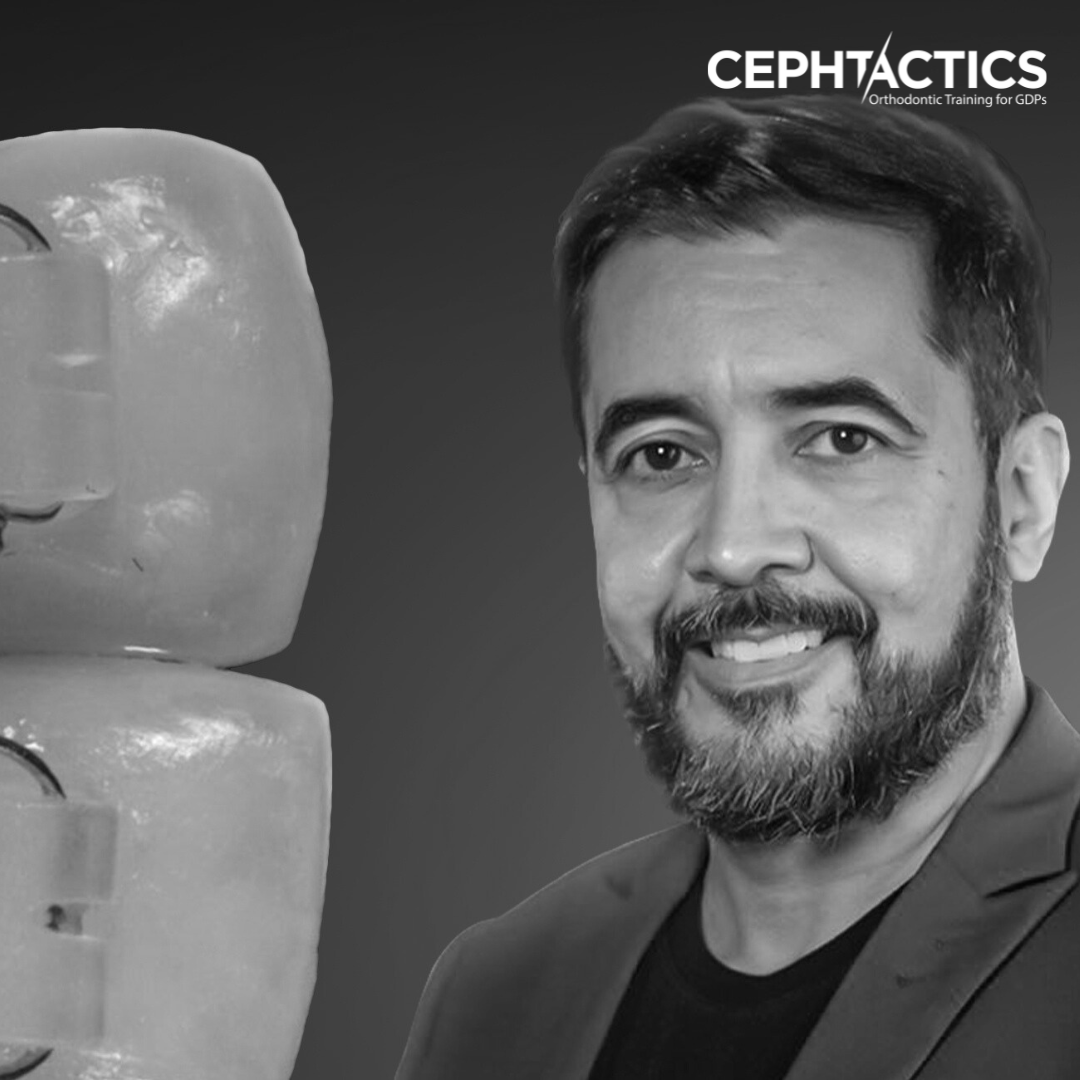
Dr. Kleber Meireles
A Specialist in Orthodontics from the University of São Paulo, Brazil, holds a Master’s Degree in Orthodontics from UNIARARAS in São Paulo. As the Coordinating Professor of the Specialization Program in Orthodontics at Instituto Prime in Bahia, Brazil, Dr. Kleber Meireles combines extensive academic expertise with practical knowledge. Additionally, they are an esteemed international lecturer, sharing their insights and advancements in orthodontics with professionals around the globe.
GDC Outcomes:
Domain A: Clinical Skills
A.1: Diagnose and plan orthodontic treatment using facial and smile analysis.
A.2: Apply advanced orthodontic mechanics for managing complex cases.
A.3: Safely execute treatment strategies for complex tooth movements.
Domain B: Communication
B.1: Effectively communicate orthodontic procedures in clinical settings.
B.2: Collaborate with teams to ensure safe and effective patient care.
Domain C: Professionalism
C.1: Maintain ethical decision-making and professionalism in case management.
C.2: Continuously reflect and improve clinical skills through hands-on practice.
Domain D: Management and Leadership
D.1: Efficiently manage orthodontic treatments using advanced protocols.
D.2: Take responsibility for ongoing professional development in orthodontics.
Planned schedule:
Day 1
Morning Session 1
Facial Analysis
Smile Analysis
Morning Session 2
Sequencing of Orthodontic Treatment:
Leveling and Aligning
Use of Cantilever to Flatten the Curve of Spee
Afternoon Session 1
Canine Retraction
Understanding the Geometry of the Symmetric V (Geometry 6)
Afternoon Session 2
Practice with Printed Models
Day 2
Morning Session 1
First and Second Order Bends in Round and Rectangular Wires
Retraction Torques
Closing Space Loops
Morning Session 2
Practice with Printed Models
Afternoon Session 1
Third Order Bends/Torques in Orthodontics:
Real Torques
Relative Torques
Anterior Torques
Posterior Torques
Retraction Torques
Afternoon Session 2
Practice with Printed Models
Day 3
Morning Session 1
Finishing Strategies:
Individual Torques
Finishing Torques
Morning Session 2
Practice with Printed Models
Afternoon Session 1
Auxiliary Loops in Orthodontics
Geometries That Help in Orthodontics
Afternoon Session 2
Practice with Printed Models